A Supermarket Shares Shelf Data With Beverage Suppliers. Here's How It Works
By The Business Board
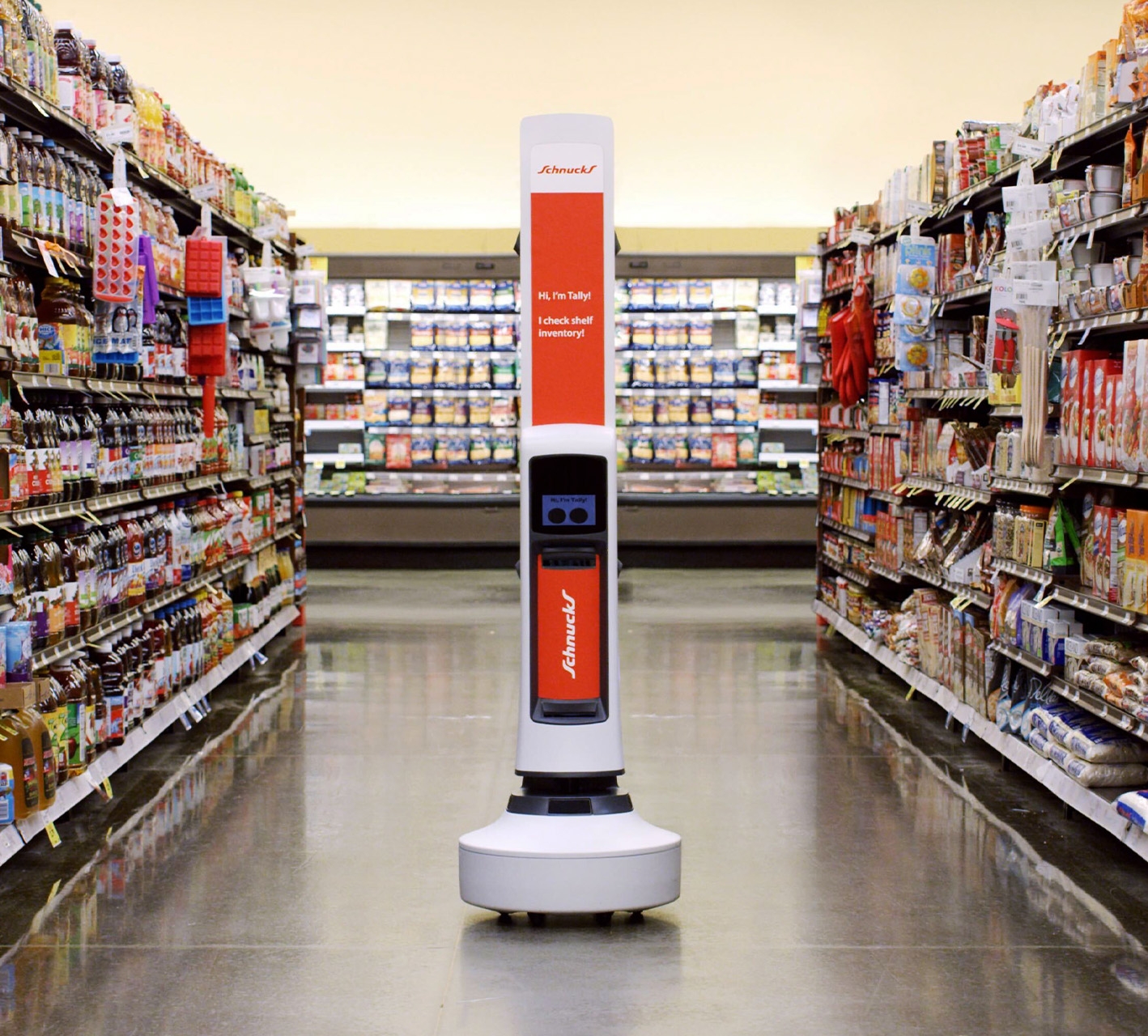
Schnuck Markets operates autonomous shelf-scanning robots across its St. Louis store network to track item availability, tag accuracy, and physical shelf positions. In October 2024, robotics vendor Simbe introduced Brand Insights, a software capability that allows participating supermarket operators to syndicate specific shelf-state observations directly to consumer packaged goods suppliers.
The commercial mechanism changes the information baseline between beverage bottlers and retail grocers. Aggregated store scan data records transactions at the checkout register, but a dip in weekly volume cannot distinguish declining consumer demand from a product missing from the shelf during peak shopping hours. Automated shelf sensing records the presence and physical position of individual SKUs at intervals throughout the day, providing both sides with an empirical timeline of out-of-stock events.
What Suppliers Can Learn From Daily Shelf Scans
Simbe’s platform delivers daily reports and targeted field tasks via its mobile application, focusing on out-of-stocks, incorrect pricing, and restocking priorities. In published operator statements, Schnucks executives noted that suppliers such as Coca-Cola and PepsiCo can use automated out-of-stock data to adjust replenishment frequencies, driver delivery schedules, and store merchandising coverage.
When daily scans identify an item that consistently vacates the shelf between late afternoon and evening despite morning replenishment, the commercial discussion shifts away from baseline demand disputes. The metric isolates an execution gap: the account team must evaluate whether the current shelf capacity is insufficient for late-day traffic surges, whether route delivery schedules are arriving after volume peaks, or whether backroom inventory is failing to reach the sales floor.
Instead of debating whether a stockout occurred, distributor account representatives and store managers can examine its exact timing and recurring frequency. Having timestamped observations transforms a vague complaint about product availability into a measurable logistical problem with identifiable operating causes.
Who Gets Access to the Data
Access to in-store scanning records remains a retailer-controlled commercial asset rather than an open public feed. Simbe packages Brand Insights as an opt-in platform where the supermarket determines which vendor partners receive access and defines reporting boundaries strictly to each supplier's authorized SKUs. A beverage bottler cannot assume that the presence of an autonomous robot in a retail aisle translates to shared data in the territory sales office.
Turning Shelf Alerts Into Restocking
Furthermore, receiving an automated out-of-stock alert does not ensure physical shelf recovery. If an out-of-stock condition stems from a phantom inventory balance in the store’s computer system, alerting a direct-store-delivery (DSD) merchandiser produces no physical stock. Restoring product availability requires linking the sensor's alert to an authorized operator action: generating an emergency reorder, scheduling a mid-day pack-out, or adjusting the retailer’s base allocation.
The handoff between detection and resolution exposes the broader operational reality of automated retail intelligence. A scan identifies an empty shelf slot, a software report transmits the discrepancy, and a mobile application directs someone to investigate. If the physical product is sitting in the retailer's backroom warehouse, a simple merchandising task restores sales. If the warehouse is depleted, the issue requires an ordering correction. Connecting the observation to the team with the authority and inventory to resolve it remains the defining test of shelf sensing.
This structural separation between sensing and execution dictates field efficiency. Without integration into warehouse management and delivery dispatch, shelf telemetry simply catalogs missed revenue. For territory sales teams, commercial leverage lies in using verified recurrence patterns to justify expanded shelf space, additional facings, or revised delivery frequencies during joint business planning sessions.