PepsiCo Lost KFC and Marriott. What's Next?
By The Business Board
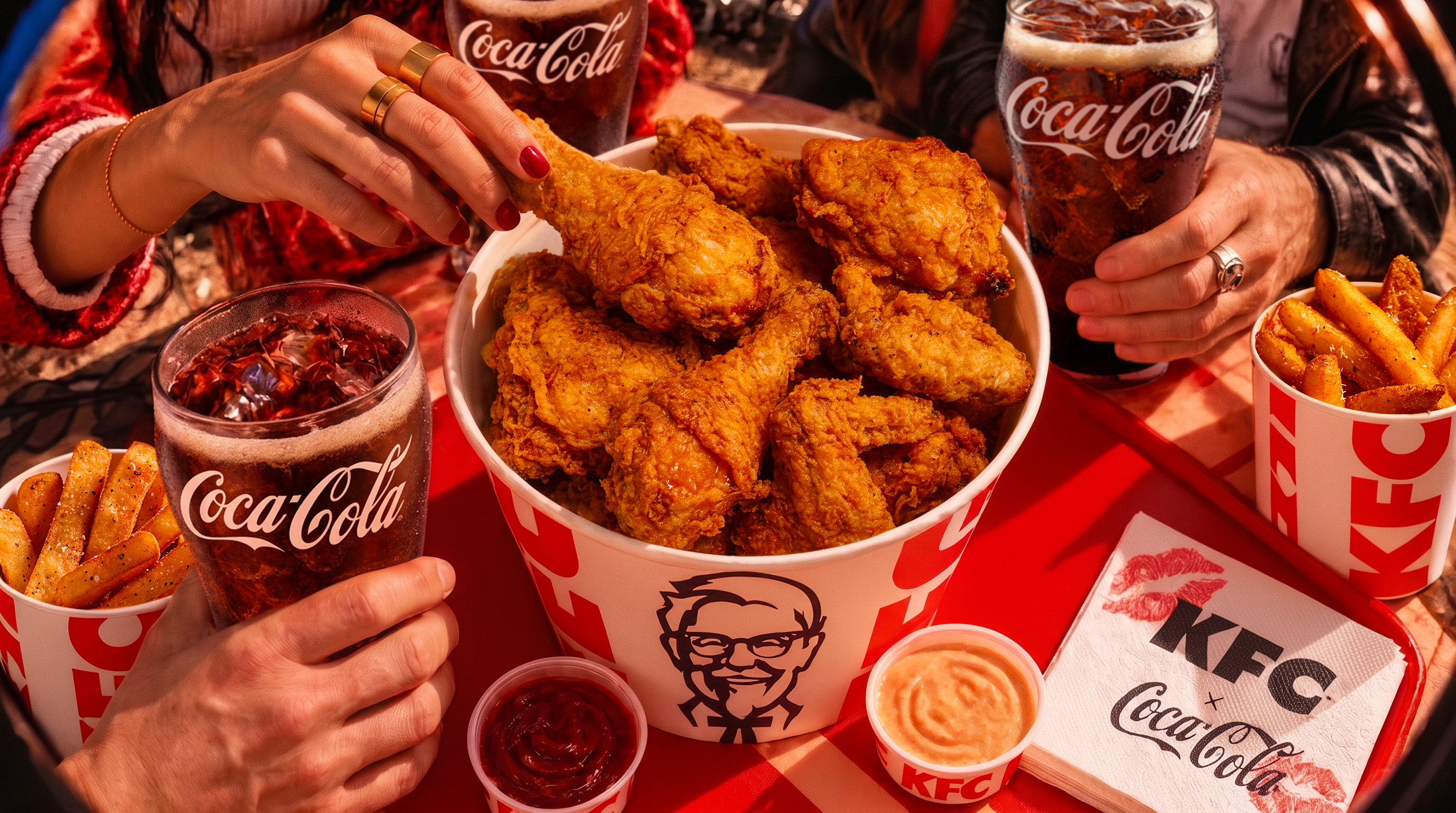
PepsiCo held KFC’s U.S. fountains for 40 years and Marriott’s global properties for 34. In both accounts, PepsiCo was structurally entrenched: it owned the dispensing equipment inside KFC kitchens, and its 2018 Marriott master agreement already bundled Gatorade, Starbucks ready-to-drink coffee, bubly sparkling water, Tropicana, and Lipton, backed by direct hotel-market distribution for Frito-Lay and Quaker. Between July 2026 and January 2027, both accounts transition to Coca-Cola—Marriott across roughly 10,000 lodging properties globally, and KFC across approximately 3,600 domestic restaurants. For commercial operators and territory managers defending accounts against a dominant category leader, the double loss dismantles the two traditional lines of defense: offering aggressive equipment and rebate economics, or relying on cross-category snack-and-beverage bundling.
KFC: Coca-Cola's Growth Proposal
At KFC, competitive bidding parity reportedly reduced price as a differentiator. Reporting attributed to The Wall Street Journal indicates that both suppliers submitted financially viable proposals covering syrup costs, equipment allowances, and franchisee rebates. Coca-Cola emphasized projected beverage-sales growth tied to KFC's menu modernization.
KFC's share of the domestic chicken-chain segment reportedly declined from approximately 20% to 8% over the preceding decade, according to Technomic data cited in the research. The chain has been testing specialty beverages, including flavored sodas, iced coffees, and other drinks, as part of its restaurant turnaround.
PepsiCo had already developed an exclusive beverage for KFC. Mountain Dew Sweet Lightning launched in 2019, and the companies reportedly experimented with additional flavored drinks in 2026. Coca-Cola's proposal placed beverage innovation and incremental sales opportunities at the center of its commercial offering.
Marriott: Guest Preferences and Product Selection
PepsiCo's 2018 Marriott agreement already included sports drinks, ready-to-drink coffee, sparkling water, juice, and complementary packaged products. A report attributed to Nation's Restaurant News describes an internal Marriott memorandum stating that more than 70% of surveyed guests preferred Coca-Cola brands. The draft research also attributes to Marriott an interest in Coca-Cola's assortment planning, package sizing, and merchandising capabilities. The guest-preference figure and the precise role of those capabilities in Marriott's supplier decision require verification against the underlying reporting.
Coca-Cola's portfolio also includes fairlife's Core Power protein beverages. Fairlife has announced plans to introduce Core Power and ultra-filtered milk across nearly 6,000 Marriott properties.
Subway: Frito-Lay Advantage
Subway selected PepsiCo to replace Coca-Cola under a ten-year U.S. beverage agreement beginning in January 2025. The agreement extended Subway's existing Frito-Lay relationship through 2030 and included new beverage dispensing equipment. Subway explicitly identified purchasing efficiencies from combining snack and beverage supply under PepsiCo.
PepsiCo's relationship with Jersey Mike's provides an earlier example. In 2011, the sandwich chain announced an exclusive beverage agreement with PepsiCo while also carrying Frito-Lay products. Founder Peter Cancro emphasized customized franchisee support and local-market intelligence. The financial contribution of Frito-Lay to Subway's supplier decision has not been disclosed.
The Economics of Specialty Beverages
Specialty beverages have become an important area of investment for major restaurant chains. The research package reports that handcrafted drinks can command approximately $1 more than standard fountain beverages of comparable size, with gross product margins potentially exceeding 80%. Those figures require confirmation against specific operator data before publication.
McDonald's introduced refreshers and crafted sodas in 2026 following earlier testing. The draft research attributes incremental traffic and higher transaction values to a 500-store trial, although the precise performance figures and equipment-investment claims still require verification.
Taco Bell has also expanded its specialty beverage program through Live Más Café, including cold brews, shakes, and energy-infused drinks. The research package cites a 40% sales increase at an initial test location. That figure needs confirmation of its measurement period, baseline, and whether it represents total restaurant sales or a narrower category. KFC has been experimenting with specialty drinks through its Kwench concept, including iced coffees, boba beverages, and fruit refreshers.
Account Retention and Growth
The three supplier decisions involved different commercial propositions. At KFC, Coca-Cola emphasized beverage innovation during a period of restaurant underperformance. At Marriott, guest preferences and product selection featured in the announced partnership. At Subway, PepsiCo secured a beverage agreement alongside its established Frito-Lay relationship.
The commercial opportunities under examination include expanding specialty beverage sales, coordinating complementary product categories, improving purchasing economics, and adjusting assortments to customer demand. The strongest proposals would quantify the expected contribution of those changes through product sales, attachment rates, transaction values, margins, or other account-level measures. The full financial terms of the KFC, Marriott, and Subway agreements remain undisclosed.